
Optimizing RFI Cycles: AI-Assisted Technical Cross-Referencing for Construction PMs
Construction Project Management | RFI | Procore | Construction PM | AI For Professionals | AI in Construction | Project Manager
Description
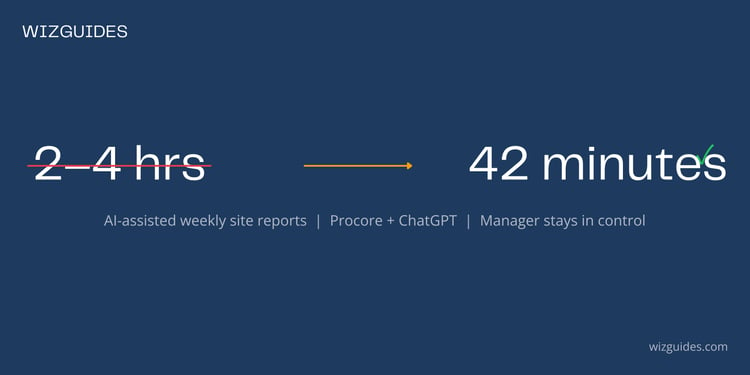
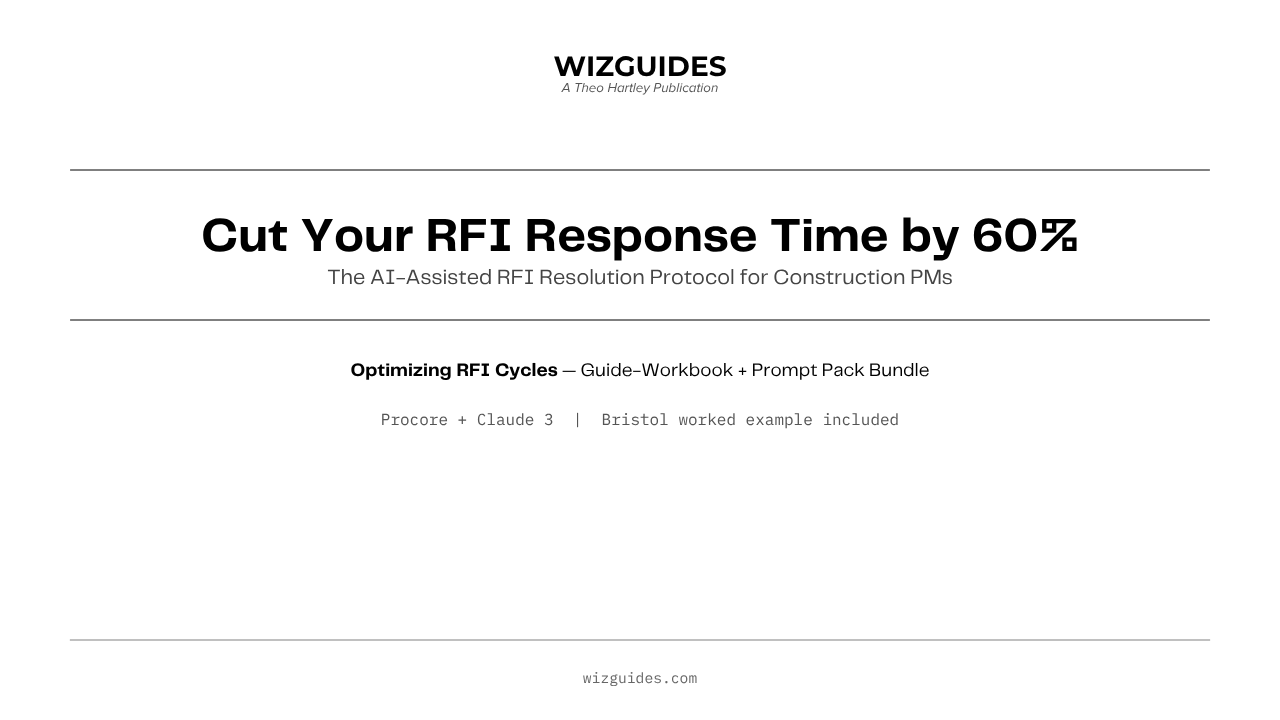
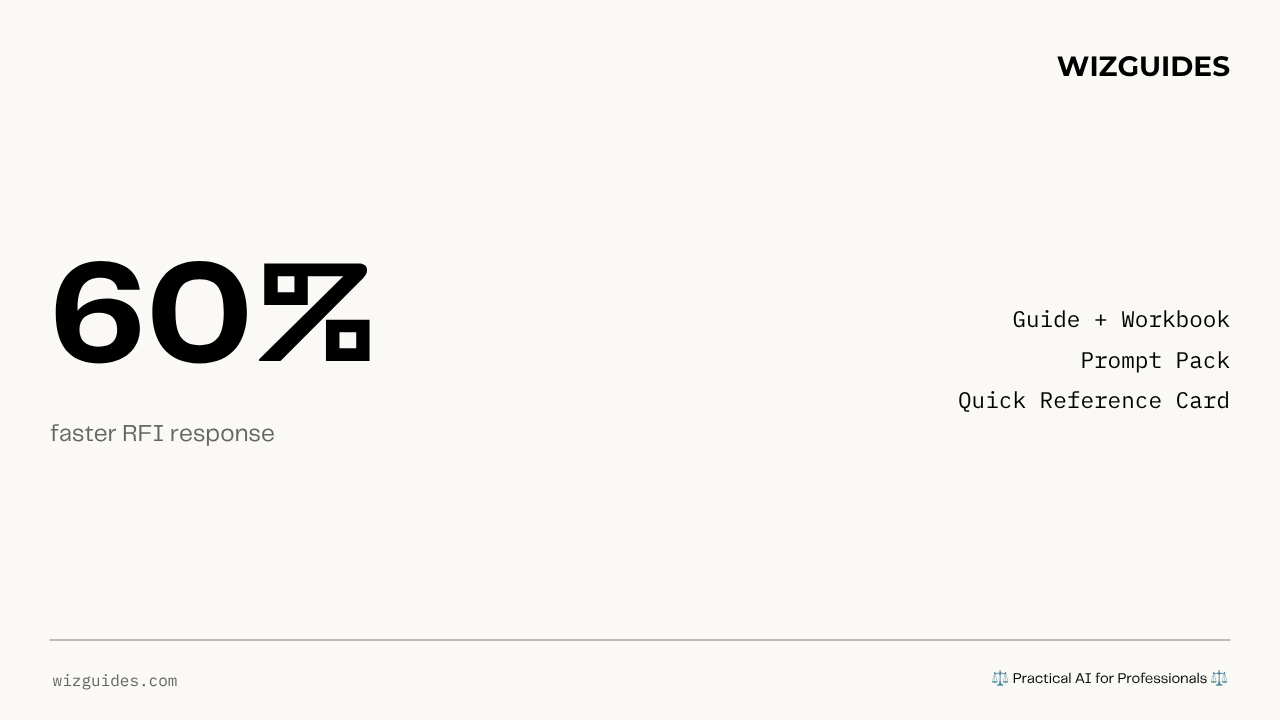
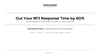
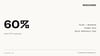
This guide presents a structured, evidence-based protocol for Construction Project Managers to reduce RFI processing time by up to 60% using Procore and Claude3. By generating a first-pass draft response from up loaded specifications and RFI narratives —with mandatory professional verification— the workflow enables PMs to handle the documentary legwork faster without sacrificing accuracy or accountability.
Designed for construction PMs managing commercial, residential, or infrastructure projects, the method applies to any project where RFI volume creates programme risk.
The Problem
On a typical UK commercial project, you'll process between 200 and 500 RFIs before practical completion. Each one takes 30 to 90 minutes. That's up to 375 hours of legwork — document-reading, cross-referencing, drafting, and checking — on a single project.
The pressure is relentless. RFI deadlines of 48 or 72 hours are common. The subcontractor who raised the query can't progress that element of work until you respond. Downstream trades are held up. Programme floats are consumed.
And the risk isn't just programme delay. Under JCT Standard Building Contract 2016 and NEC4, an RFI response that misinterprets a specification, contradicts a drawing, or creates an undisclosed scope variation exposes the main contractor to claims. The PM's name is on the response. The accountability doesn't go away because the drafting was rushed.
One incorrectly answered RFI — one that wasn't properly cross-referenced — can cost more in dispute resolution than a month of your time.
The Solution
The AI-Assisted RFI Resolution Protocol is a four-step workflow that cuts RFI processing time by up to 60%. It uses Procore — already your system of record — and Claude 3 to handle the documentary legwork: the cross-referencing, clause-location, and first-pass drafting. The PM then applies professional verification before any response is logged.
The AI generates a first-pass draft response from the uploaded specification and RFI — the PM then applies professional judgement to verify the citation and assess any contractual implications before logging the formal response in Procore. The PM's accountability is not reduced by one iota. The legwork simply takes less time.
What You Get
Part 1 — The Guide-Workbook
The complete AI-Assisted RFI Resolution Protocol — structured, evidence-based, and ready to implement on your next project:
- Step-by-step methodology — four steps from Procore export to logged response
- Procore navigation guide — how to locate and export the right spec sections and drawing addenda, fast
- Claude 3 context assembly — why document order matters, and how to handle large specification sections without chunking
- The three-part structured prompt — the core instrument of the protocol, with guidance on follow-up refinement
- Eight limitations and risk mitigations — including the mandatory citation verification step and the contractual accountability reminder
- The 8-point PM RFI Checklist — your sign-off gateway before any response goes live
- Bristol worked example in full — RFI-2024-047, M&E specialist, raised access floor void clearance. 16 minutes AI-assisted vs. 55 minutes manual. One variation correctly identified and QS notified before the response was logged.
- ROI benchmarks — up to £12,500 in recovered PM time on a 300-RFI project
- Tool comparison — Claude 3 vs. alternatives for document-heavy technical work
- Quick Reference Card — print and keep
Part 2 — The Prompt Pack
Copy-paste prompts covering every stage of the protocol:
- Procore setup prompts: Spec division identification, export workflows, RFI logging documentation
- Claude core prompts: Three-part RFI response, drawing conflict resolution, variation assessment, quick cross-check, follow-up refinement
- Validation prompts: PM quality review checklist, citation verification, pre-issue sign-off check
- Communication prompts: Design team escalation, subcontractor programme notification, monthly RFI progress report
Plus: Quick Reference Card and Variation Flag Decision Tree.
Is This for You?
This bundle is for you if:
- You are a UK construction project manager working on commercial, residential, or infrastructure projects
- Your project has significant RFI volume (50+ RFIs over the project life)
- You use Procore as your primary project management platform
- You are responsible for RFI quality, programme accuracy, and contractual compliance
- You manage between 20 and 80 subcontractors at any one time
This is not for you if you don't use Procore, don't work with technical specifications and drawings, or are looking for AI to replace your professional judgement. It won't. This guide exists because it handles the legwork so you can focus on the decisions that actually require your expertise.
The Tools
| Tool | What it does in this workflow |
|------|-------------------------------|
| **Procore** | Document Management + RFI modules — your system of record. Export PDFs, log responses. |
| **Claude 3** (Sonnet or Opus) | Document comprehension, first-pass drafting, clause location. 200K-token context window. |
*Not compatible with ChatGPT workflows as described — the prompts and protocol are specific to Claude 3's context window and document comprehension capabilities. Tested with Claude 3, June 2026.*
GDPR Note — Important
Using Claude 3 involves transferring project documentation — specifications, drawings, and RFI records — to Anthropic's servers (hosted in the United States). Before adopting this workflow on your project:
- Confirm your organisation's data governance policy permits this
- Do not upload documents containing personal data without appropriate legal basis under UK GDPR
- On paid Claude plans (Pro, for Teams), conversations are not used for model training by default — see anthropic.com/privacy
- For public sector or government-funded projects: consult your IT and legal team first
*This note does not constitute legal advice.*
Worked Example: Bristol Office Fit-Out
The scenario: M&E specialist subcontractor raises RFI-2024-047 — minimum clearance above raised access floor. Architectural drawing says 600mm. M&E methodology needs 750mm. Zone is on critical path.
What the AI did:
Claude read Division 09 — Finishes (uploaded as PDF), located Clause 2.7 on page 14 — 600mm minimum. Identified the M&E contractor's proposed 750mm exceeds the specification. Part 2 flagged a scope variation. Part 3 drafted a response requiring a formal instruction before works are varied. QS was notified before the response was logged.
The result:
- Variation correctly identified and QS notified
- M&E works held pending formal instruction
- 16 minutes AI-assisted vs. 55 minutes manual
- One dispute avoided
Download the Bundle
Everything you need to implement the protocol on your next project — in two PDF documents.
✅ Complete Guide-Workbook — full protocol, worked example, benchmarks
✅ Complete Prompt Pack — copy-paste prompts, decision trees
✅ Ready for Procore + Claude 3 — no custom software or API integration required
✅ Tested with Procore and Claude 3, June 2026
---
© 2026 Theo Hartley | WIZGUIDES
⚖️ Practical AI for Professionals ⚖️